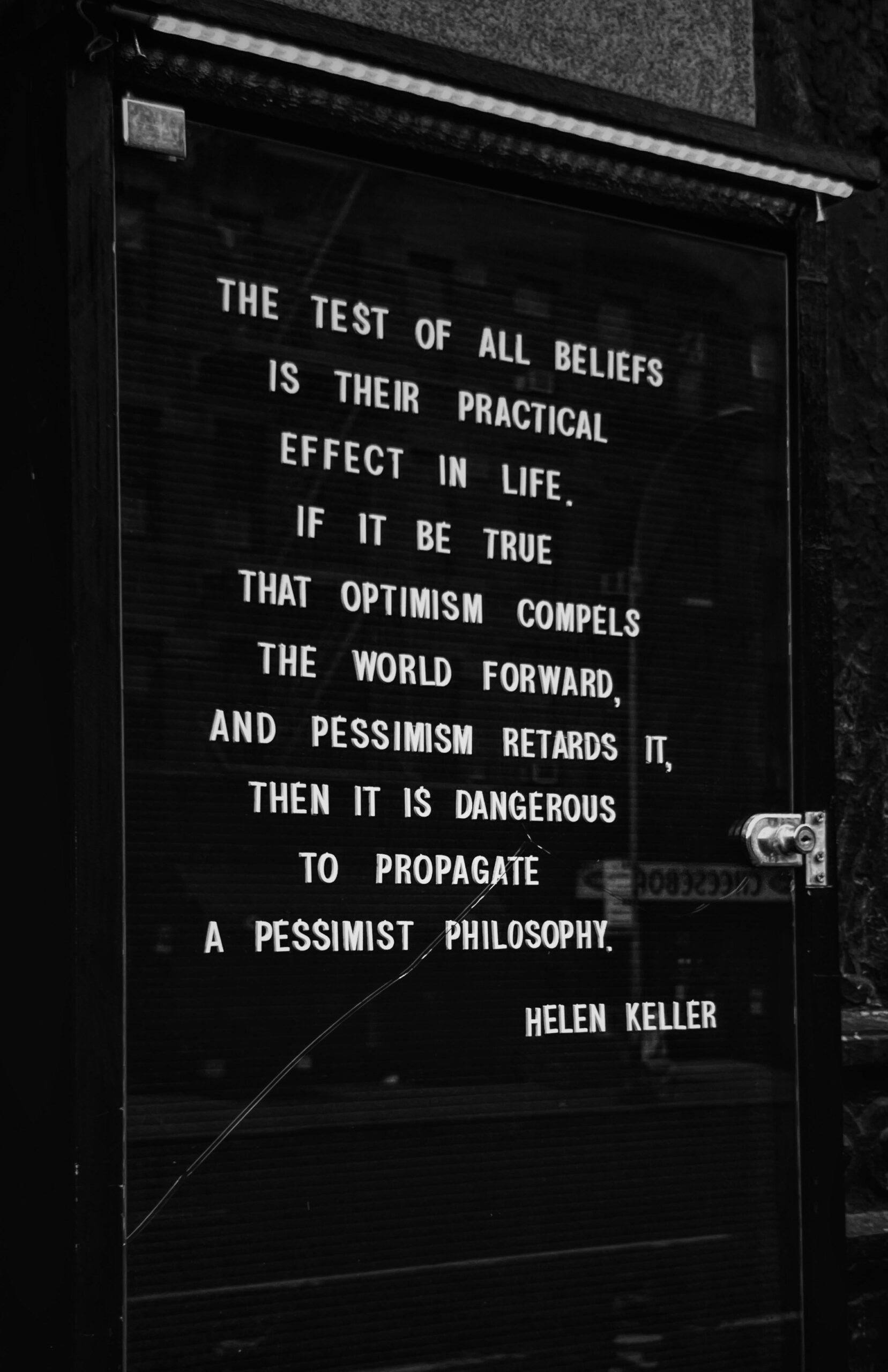



Why Modern Isolation is a Choice
We live in a culture that has mastered the art of posturing.
Everywhere you look, people are drowning in a loneliness epidemic, yet the dominant gospel of our time isn’t connection—it’s isolation repackaged as ambition. “I don’t need anyone.” “I’m in my hyper-independent era.” “I’m grinding—no distractions, unavailable.”
Neither extreme should be celebrated. Let’s be clear: promoting marriage over singleness or vice versa misses the mark entirely. Both states have their place. What is missing from the cultural conversation is honesty and nuance. We live in extremes because work-life balance apparently feels too difficult, but something we have completely forgotten—or blatantly overlooked—is the seasonality of life. An ancient proverb reminds us that there is a time to weep, a time to laugh, a time to work, and a time to play.
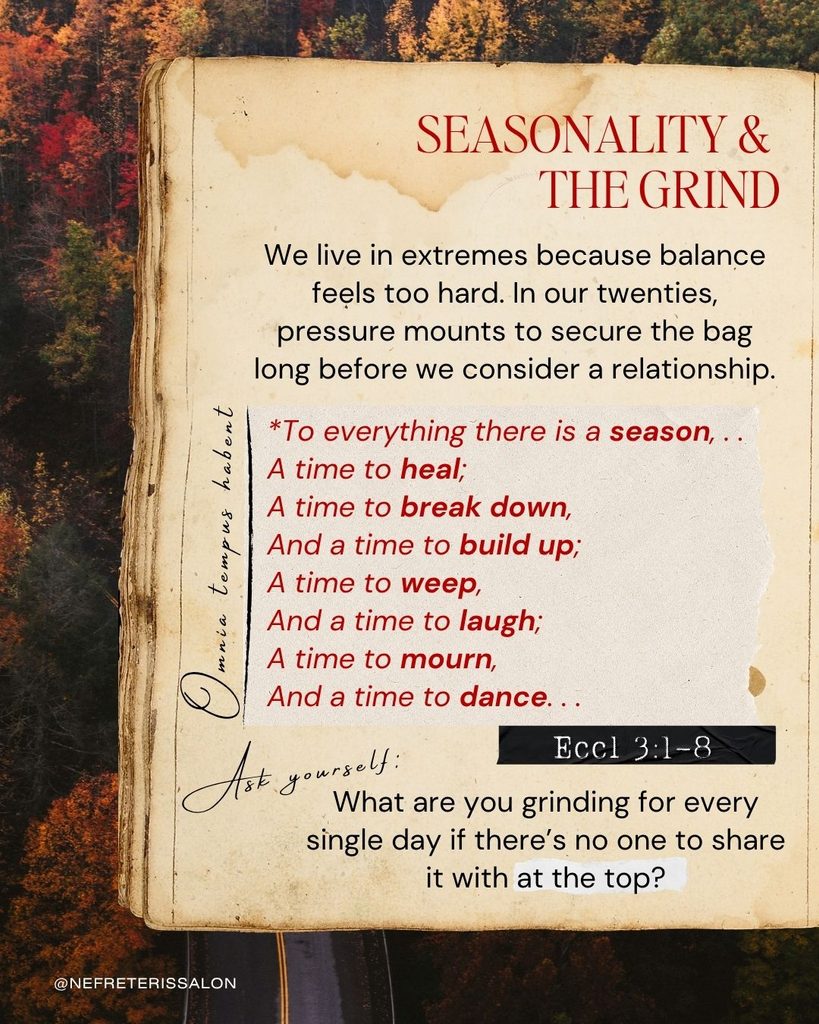
Yet, in America, there is an immense pressure in your twenties to do absolutely everything. People constantly weaponize biological clocks, and there is a rigid cultural expectation that by thirty, you must somehow have your life entirely figured out. It has become deeply ingrained to go to college, build a business, and secure the bag long before ever considering a relationship.
“What are you grinding every single day for if there’s no one to share it with you when you reach the top?”
The Illusion of Self-Love and the Seasonality of Life
We all know someone—or perhaps we are that person—who has claimed they would quit smoking or lose weight “for themselves.” Modern culture immediately beats people up for saying otherwise: Why aren’t you doing it for yourself? Where is your self-love?
Here is the unvarnished reality: most people do not love themselves enough to transform, and that is not necessarily a sign of a broken moral compass.
When some hear this, they immediately cry out, “That’s codependency!” It is not. Consider a standard medical scenario: a doctor tells a patient, “If you don’t change your diet immediately, you are most likely going to have a heart attack and die.” You would think self-preservation instinct would instantly kick in. But it doesn’t always work.
What actually triggers the change? Ask people who have beaten the odds, and many will tell you that a mental image of their children, their spouse, or their grandchildren flashed in their mind. They realize, “I want to see my child graduate. I want to be here for those milestones.” The anchor to their life isn’t an abstract concept of self; it is a loved one.
“Love can’t exist in a vacuum. By definition, love requires an object outside of the self.”
Countless people have overcome addictions, dropped deadly habits, and built empires not out of sterile self-love, but because somebody else believed in them or because they had someone outside of themselves worth fighting for. As the film reminder goes: “There’s some good in this world, Mr. Frodo. And it’s worth fighting for.”
The Optimization Trap and the Sickness of Safety
When researchers look into what people claim is the most important thing in life, health frequently tops the list, followed by family and friends. But putting health at the absolute center of existence is the optimization movement talking—a symptom of hyper-focused self-preservation.
Consider the implication: If health is the absolute prerequisite for living, what about people who are chronically ill, confined to hospitals, or disabled? Some of those individuals are the most profoundly loving presences in other people’s lives, and many of them will never get better.
Isn’t it deeply ironic that the moment we moved physical, mental, and emotional health to the highest pedestal of human virtue, we became the unhealthiest society in history? We do not need a deep dive into data to recognize the mental health crisis, the loneliness epidemic, and skyrocketing obesity rates. Hyper-individualism and self-love as the highest virtue have delivered us into a vacuum.
The Cowardice Disguised as Therapy
Every comment section on the internet mourns the loneliness epidemic as if it were a natural disaster that rolled in and washed everyone away. The landscape out there is exhausting—ghosting has become an acceptable practice, people are flaky, and burnout is real.
However, modern isolation isn’t merely a tragedy inflicted on passive victims. For many, staying alone has become a calculated retreat. As long as you can frame yourself as a helpless victim of the dating landscape, your pride stays safe. Your ego is never tested, and you never have to risk being vulnerable.
Is hiding in an empty room actually protecting your peace, or is it just cowardice wearing a therapeutic disguise?
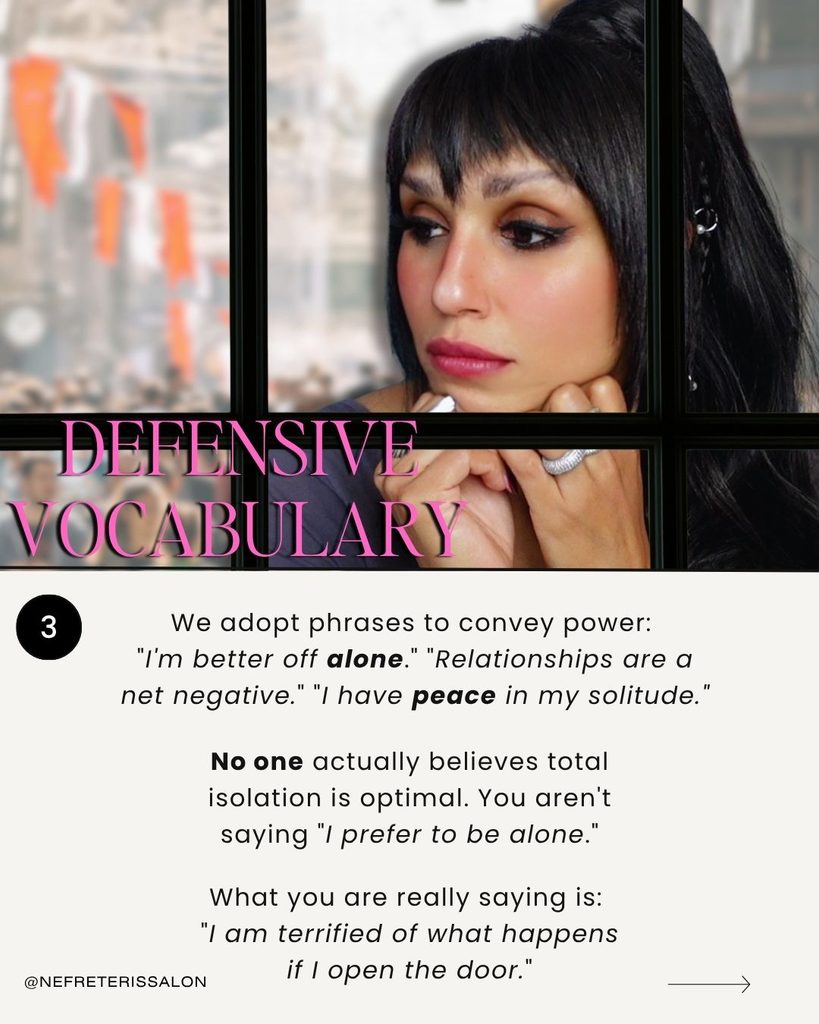
It is easy to claim that “there are no good people left.” While the numbers feel discouraging, this is far from the complete picture. Instead of endlessly complaining about the system, we have to look at what we can actually control.
Notice how vocabulary has shifted. Therapy culture has completely rewritten people’s language, trading traditional assessments of character for defensive coping mechanisms:
- “Put up boundaries.”
- “Protecting my peace, my energy, my heart.”
- “Cut people off / zero tolerance.”
Protect, protect, protect. These are psychological defense mechanisms elevated into moral virtues, but most of the time, they are simply disguises for fear.
Pride vs. Character: The Cost of Resistance
Before modern psychology taught everyone to weaponize therapy speak, human beings evaluated one another through the lens of character. Staying alone is often the ultimate act of pride. In complete isolation, your self-image is never tested. You are always right, always reasonable, always enlightened. You are great.
Then, you introduce another human being—whether a romantic partner, a family member, a coworker, or a friend. Immediately, you encounter resistance.

Everyone is not going to agree with everything you say or do. That friction exposes flaws, reveals differing mindsets, and demands adaptation in real time. Running from resistance to avoid confrontation is not “protecting your peace”—it is pride choosing comfortable stagnation over actual growth.
“Growth requires overcoming. Perseverance means pushing through.”
When someone genuinely challenges you—demanding that you step up, adapt, face your own flaws, and have a conversation that transcends surface-level validation—panic sets in. Behind a screen, the easiest escape route is ghosting.
Why has ghosting reached an epidemic scale? Because most people aren’t meeting online to build depth; they are harvesting cheap, instant validation. It feels great to know someone likes your profile, even though they know nothing about who you are inside.
The moment a conversation requires real emotional bandwidth or vulnerability, people vanish because the well inside is completely empty. Living online deprives people of an inner life. They consume endlessly, but cultivate nothing. Many ghosters don’t just lack respect—they literally have nothing inside themselves to offer.
History, Partnership, and the Shared Mission
Look at history, or even the visceral reality of war films. What actually kept men alive in the trenches? It wasn’t an abstract self-actualization seminar. They survived by pulling out a folded letter from a woman back home, looking at a locket, or holding a photograph of a family waiting for them.
The women waiting endured months without instant updates, digital pings, or backup options, fiercely loyal to a future built together. Today, modern culture frowns upon that kind of steadfast devotion, using watered-down therapy speak to question it: Are you holding space for someone unavailable? Are you happy? Why expend your emotional reserves?
That sounds like smart self-preservation, but historically, a true partner was never a distraction from the battlefield or the home—they were the anchor holding the individual to the future. They provided the ultimate purpose.
“He who has a why to live for can bear almost any how.”
— Viktor Frankl (quoting Friedrich Nietzsche in Man’s Search for Meaning)
Consider Marie Curie, the only person in history to win two Nobel Prizes in two different sciences. She won her first alongside her husband, Pierre. Before meeting him, Marie believed a woman couldn’t be dedicated to scientific work while married due to the social constraints of her time. Furthermore, she had been devastated by past rejection rooted in classism.
She hunkered down, determined to have no distractions, until she met Pierre. Pierre was a fellow scientist who fell in love not just with her, but with her mind. Their partnership allowed them to achieve history, accumulating three Nobel Prizes between them. They worked together, researched together, and built together.
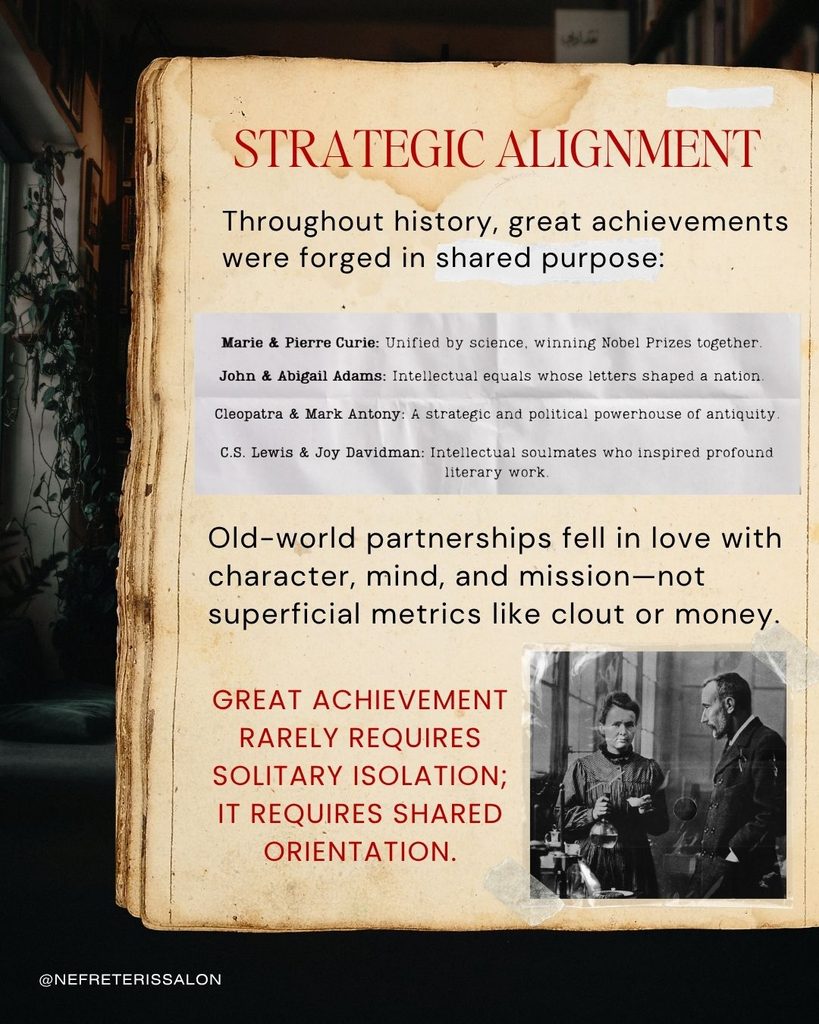
This dynamic persists today. Consider modern parallels like Alex and Leila Hormozi, who operate as an aligned business power couple—not as competitors or threats to each other’s egos, but pulling in the exact same direction.
Overcoming the Panic of Vulnerability
We have neuroscience telling people that emotional threats are processed in the brain the exact same way as physical threats, and that the body cannot tell the difference. But we must challenge this narrative.
Facing an uncomfortable conversation might trigger a pulse of panic, but you still possess reasoning. You are not being attacked by a bear in the woods; you are simply talking to another human being, with a 99% probability that it will result in nothing more than an awkward conversation.
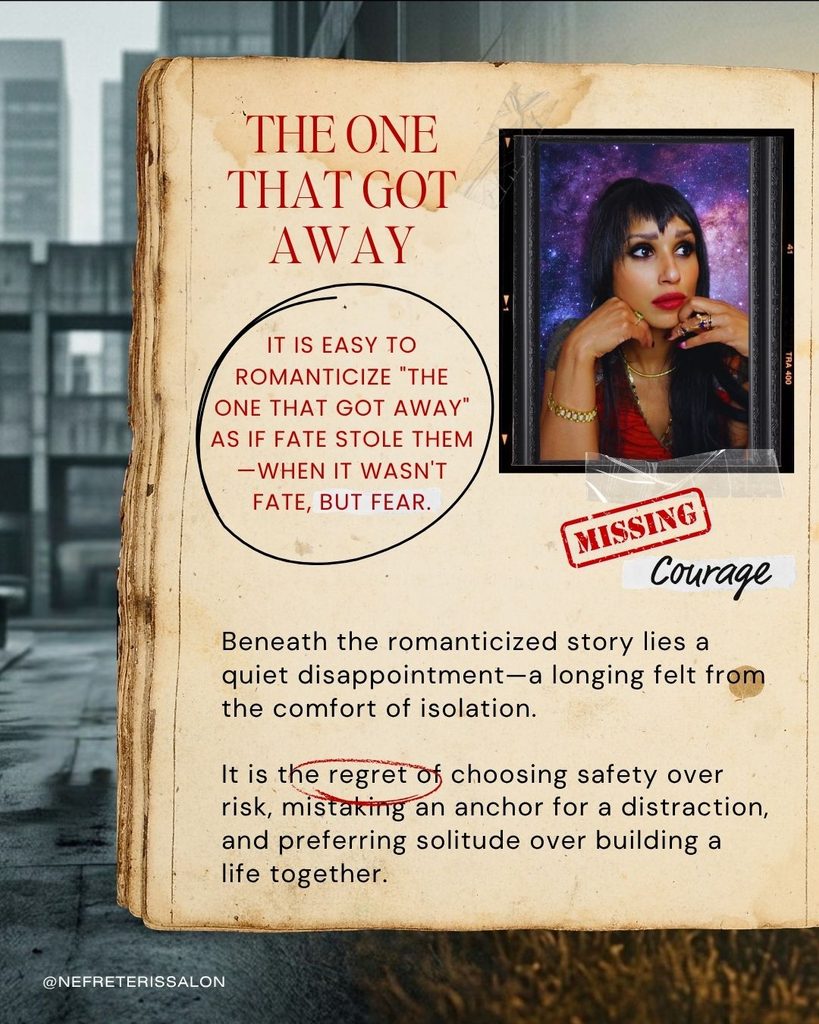
Hyper-vigilance has caused people to demand 100% absolute safety before opening up to another human being—an absolute impossibility. Absolute safety in human relationships is a delusion. Even prescription medications come with a list of side effects longer than the conditions they treat, yet people take them.
Think of a slice of pizza fresh out of the oven. You see the steam rising off the cheese, you take a bite, and it burns the roof of your mouth. Does that minor burn cause you to swear off food and vow to starve for the rest of your life? Of course not. You eat again.
Taking a relational burn should not mean starving yourself emotionally for the rest of your days. At some point, you have to decide whether you want to spend your life hiding behind a screen in pristine, untouched safety, or if you actually want to go out and live.
Conclusion
No online essay or digital discourse will single-handedly solve this cultural crisis. What we are witnessing is an epidemic-scale vacuum of character, and character is never built sitting behind a screen or scrolling through an app.
Hope remains a vital virtue. Do not let the emptiness of the digital world convince you to close your heart forever. If someone genuinely good, of high character, compatible, and aligned steps into your life, do not pass them up simply out of fear of getting hurt.
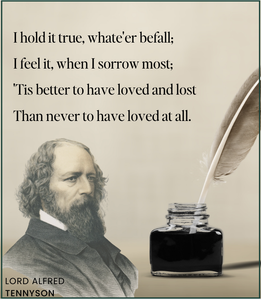
Stop letting fear make your choices for you. As the poet Alfred Tennyson wrote in his famous elegy:
“I hold it true, whate’er befall;
I feel it, when I sorrow most;
‘Tis better to have loved and lost
Than never to have loved at all.”
To Ponder
- Where in your daily life are you masking fear of rejection as “protecting your peace”?
- Have you traded the messy, character-building friction of real human connection for the sterile safety of an empty room?
- If an ideal, aligned partner walked into your life today, what are you actually holding onto that would make you turn them away?